Tools don't form attachments. Relationships do.
AI and Mental Health Speaker, Trainer and Consultant | Oregon
I invite you to shift the way you think about AI, because in the context of mental health, Artificial Intelligence is not a tool. It has become a relationship.
People confide in AI companions. They feel understood by them, comforted, and less alone. The emotional experience is real, even when the other side is code because the brain doesn't know the difference.
The question is not whether AI has value. It does. The question is: what happens when it replaces human connection instead of supporting it?
This is the conversation that most clinicians, parents, educators, and policymakers are not yet having. I have been addressing this topic in training rooms with peers, policy makers, patients, and on my podcast Relating to AI.
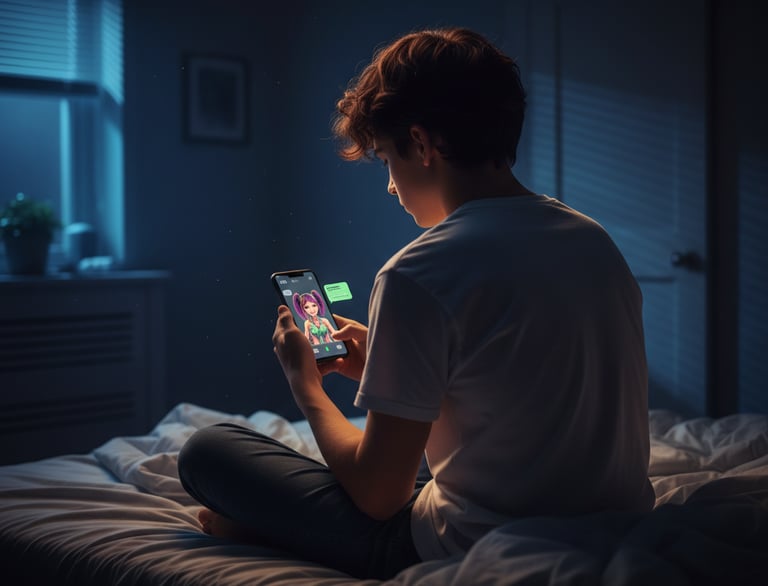
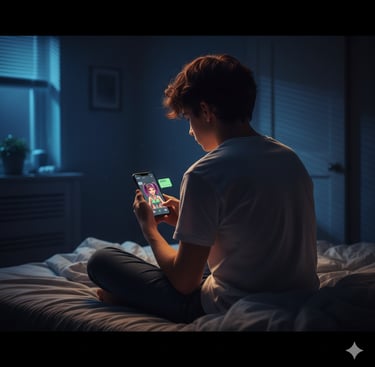
I look at AI through a relational lens by asking central questions: What unmet need is AI filling? Is it improving someone's social and emotional skills or depriving them of relationships? How can we assess and treat dependence?
Check my Psychology Today profile HERE.
Why this matters now
The data is already here, and so is the harm, but most of us have no framework to address it.
use of AI in the US is for companionship and therapy
#1
of teens have used an AI companion
ChatGPT users expressing suicidal ideation weekly
72%
1.2 million
If you are a clinician and believe that AI is not an issue, I invite you to think again. Chances are, synthetic relationships are already woven into your clients' lives. They may not talk about it yet, but those relationships may already be shaping the way they connect.
The field needs a clinical framework to respond. Oregon is already ahead of the curve: SB 1546 (2026) addresses AI chatbots that simulate emotional connection and introduces legal accountability for harm.
What I bring to this conversation
I have been living at the intersection of technology and human connection for most of my adult life.
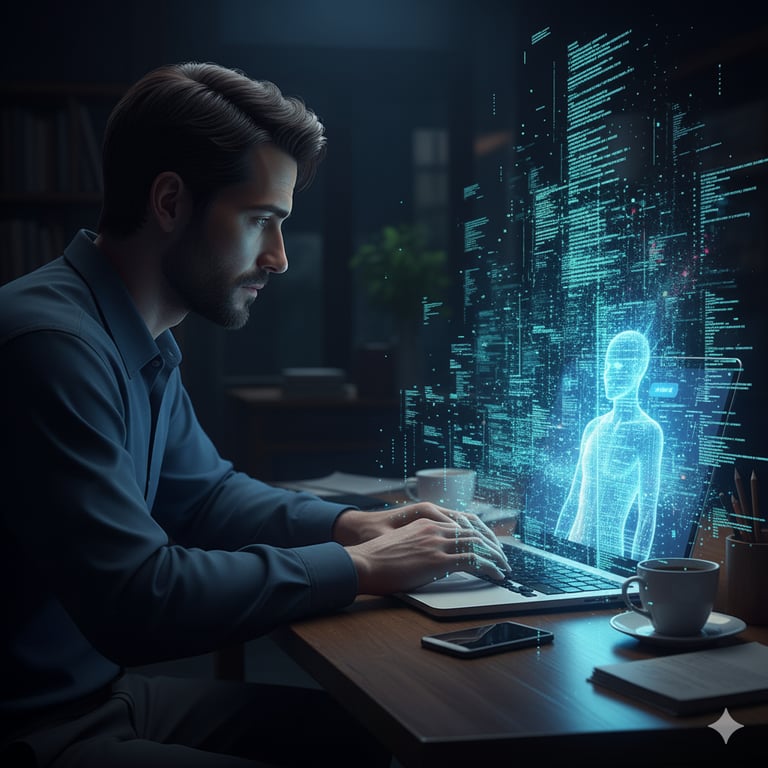
Long before I became a therapist, I was a journalist covering tech. I understand how these tools are built, how they are marketed, and what they promise. And as a clinician, I see every day what they actually do to the people who use them.
I was among the first clinicians in Oregon to bring an AI and mental health framework into professional training rooms, and I have since presented to mental health professionals, educators, and policymakers.
I don't approach this topic with alarm. I approach it with clinical understanding, real data, and the kind of human context that only comes from years in the room with people in pain.
Services offered
Keynotes and Presentations
I speak on topics where clinical expertise and lived experience converge: the psychology of AI relationships, emotional outsourcing, synthetic attachment, and the new risks facing mental health. I don't just explain the problem. I give audiences a framework for understanding what is already happening in their clinics, schools, and homes, and what to do about it.


Clinical Training
Clinicians will learn to recognize and respond to AI dependency, synthetic attachment, and the ways technology is reshaping relationships and mental health. They will leave knowing how to assess AI use in intake, identify dependency and isolation patterns, and when to include AI in suicide risk assessment.
Young people are already in relationships with AI. They confide in chatbots, and sometimes choose AI over human contact. Most adults don't know it is happening. I work with schools and organizations to change that by equipping educators and parents with the frameworks and conversation starters they need to respond without shame or alarm.
Schools and Organizations


Maybe it's your teenager who seems more connected to an AI than to you. Maybe it's your partner, who has found in a chatbot the patience and availability you can't always give.
What you're witnessing is real and it needs to be addressed.
You deserve someone who can help you understand it, not just the technology, but what it means for your relationship, your family, your sense of connection. That conversation starts here.
For everyone else
Listen to my podcast "Relating to AI"
Season 1 available now — interviews with leading researchers, clinicians, and people personally affected by AI relationships. More conversations coming.
Schedule a call
Let's talk
paula@flourishingmindscorp.com
+1 971 2361388