I get it
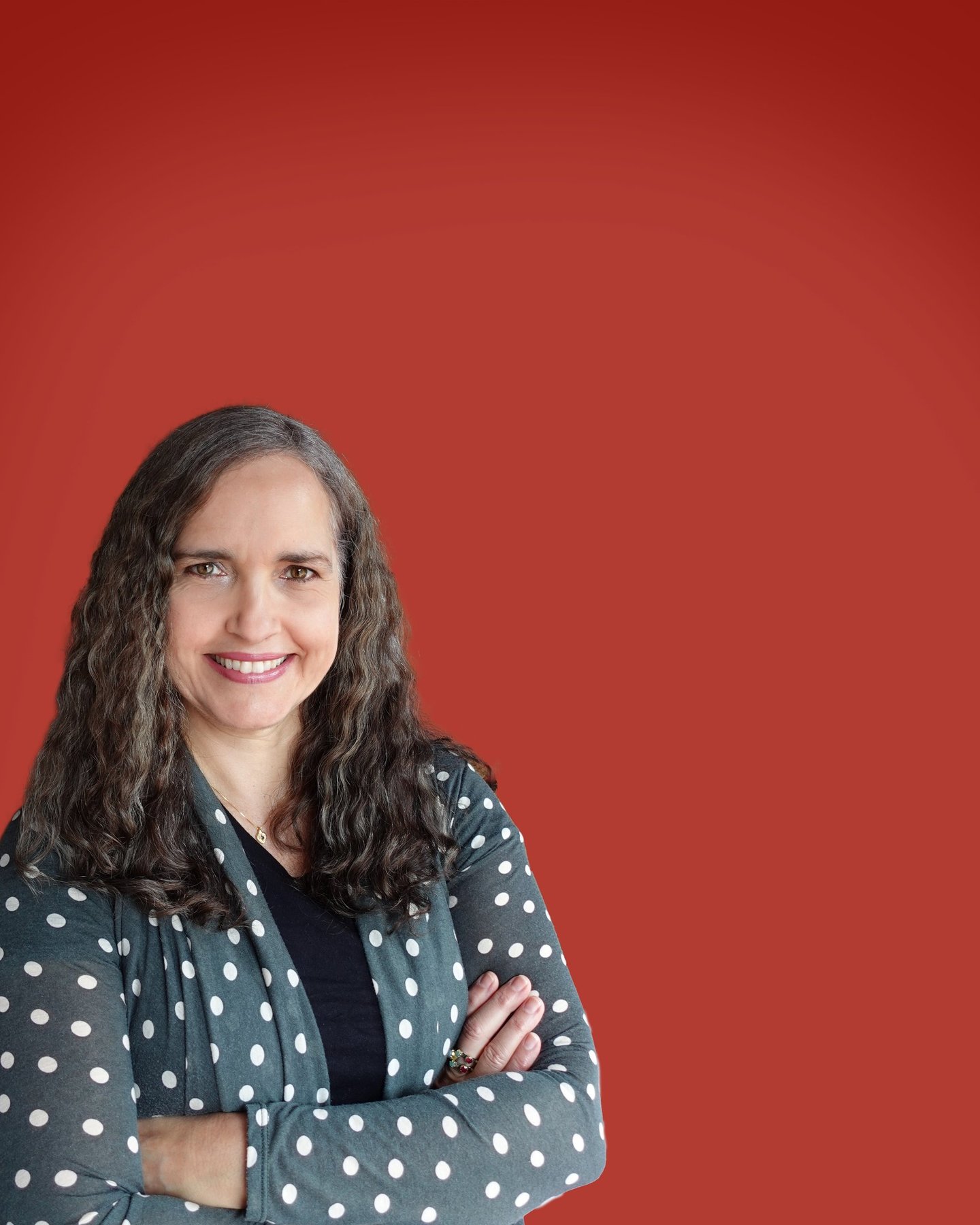
Licensed therapist in Oregon | Paula Fontenelle
I became a therapist because I believe that every life can be changed by looking intentionally at our choices, patterns, the relationships we have built, and the ones we stayed in too long. That kind of self-reflection is not comfortable, but it is transformative.
I know this because I did it myself.
Where I come from
I grew up in Brazil. My first career was in journalism. I was a storyteller with three published books because I believed in the power of words to make sense of the world. That instinct never left me. It just found a different home.
In 2005, my father died by suicide. That loss set me on two parallel paths: Professionally, I studied everything I could about suicide because I needed to understand what had happened to him. I spent hours talking to friends and family, uncovering stories about my father's life and the pain he carried that I never knew about.
A journalist searches for the truth. A daughter searches for her father. I was doing both at once.
The tough work I had to do led me to a career change. I left journalism and went back to school to become a psychotherapist, so getting where I am today came from a painful and transformative event in my life.
Check my Psychology Today profile HERE
What grief taught me
In the months after my father's death, something shifted in me that I could not explain or push through. I lost concentration, appetite, and the ability to feel pleasure in anything. One afternoon, I sat down to buy a plane ticket to visit a friend, and when the search results appeared on the screen, I could not make sense of them. It was all too much. I broke down crying.
That was the moment I knew I needed help.
I saw a psychiatrist immediately after that, and was diagnosed with depression. I had no idea what was in front of me, but I knew I didn't want to stay in a place of paralysis, pain, and numbness, so I followed the treatment rigorously.
I know what it is like to struggle with depression firsthand; the slow work of treating it, the doubts, and the quiet triumph of coming through it. I did not do it alone, but I took responsibility for every step of the way.
That experience lives in every session I hold with my patients.
The science behind my work
My clinical training spans over a decade: five years of Psychoanalysis training, a Master's in Clinical Mental Health, and a certification in Neuropsychotherapy. What that means for you is simple: our work together will never be one-size-fits-all.
From my training in neuropsychotherapy, I learned that there are patterns in your nervous system, shaped over the years, that drive the thoughts, feelings, and behaviors keeping you stuck.
Understanding that is not just interesting; it is the beginning of change. Science gives us the map. Determination does the walking.
My approach to therapy
I will sit with you with full compassion, complete understanding, and a tireless drive to help you find answers and a healthier path forward. I will hear everything you bring. And when you are ready, I will gently guide you as you take responsibility for your own healing, because I believe in you enough to hold you accountable. I want you to develop agency so that you can continue living the life you deserve without me. We will do it all together.
Theoretical framework
I approach therapy from a relational, attachment-based perspective. This means I believe that the way we learned to connect — or disconnect — from others early in life shapes everything: how we see ourselves, how we navigate relationships, and how we respond to pain. Understanding those patterns is not about blaming the past. It is about recognizing how the past lives in the present, and deciding, with intention, to build something different. The therapeutic relationship itself becomes part of that process. How we work together matters as much as what we talk about.
If something here felt like a good fit, please reach out. That feeling is the first step.
CREDENTIALS
— Licensed Professional Counselor in Oregon, USA.
— Certified in Neuropsychotherapy
— Master of Arts, Clinical Mental Health Counseling
— 5-year Training in Psychoanalysis
— Specialist in suicide grief and suicide loss
— Speaker and trainer on suicide prevention, grief, and AI & mental health
— Published author of "Understand Suicide: Living With Loss, Paths to Prevention."
— Host of the podcasts: Understand Suicide and Relating to AI
— Fluent in Portuguese, serving the Brazilian community abroad
What else?
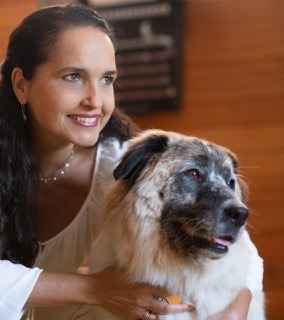
The writer Mary Pipher says, "Live the life you preach," and I believe in that. So, if I'm not working, I will be engaged in activities that bring me joy and a sense of connection. It can be paper crafting (I have a YouTube channel on that), crocheting (I have one on that too), walking, taking a zumba class, eating out with my husband (we are foodies), enjoying friends, or just looking at my beautiful dog and feeling immense gratitude for having him in my life.
P.S. This part was added so that I could show off a picture of him. :) His name is Pablo, and in case you're wondering what kind of dog he is, Pablito is a rescue, or as my husband says, he's the perfect kind.
Schedule a call
Let's talk
paula@flourishingmindscorp.com
+1 971 2361388